Have you ever been scrolling through TikTok or reading a comment thread and suddenly see someone say, “She ate” or “They ATE that performance”? The first time I saw it, I genuinely thought people were talking about food.
But everyone seemed way too excited for it to be about a sandwich. So I dug a little deeper and boom the meaning made perfect sense.
Here’s the quick breakdown:
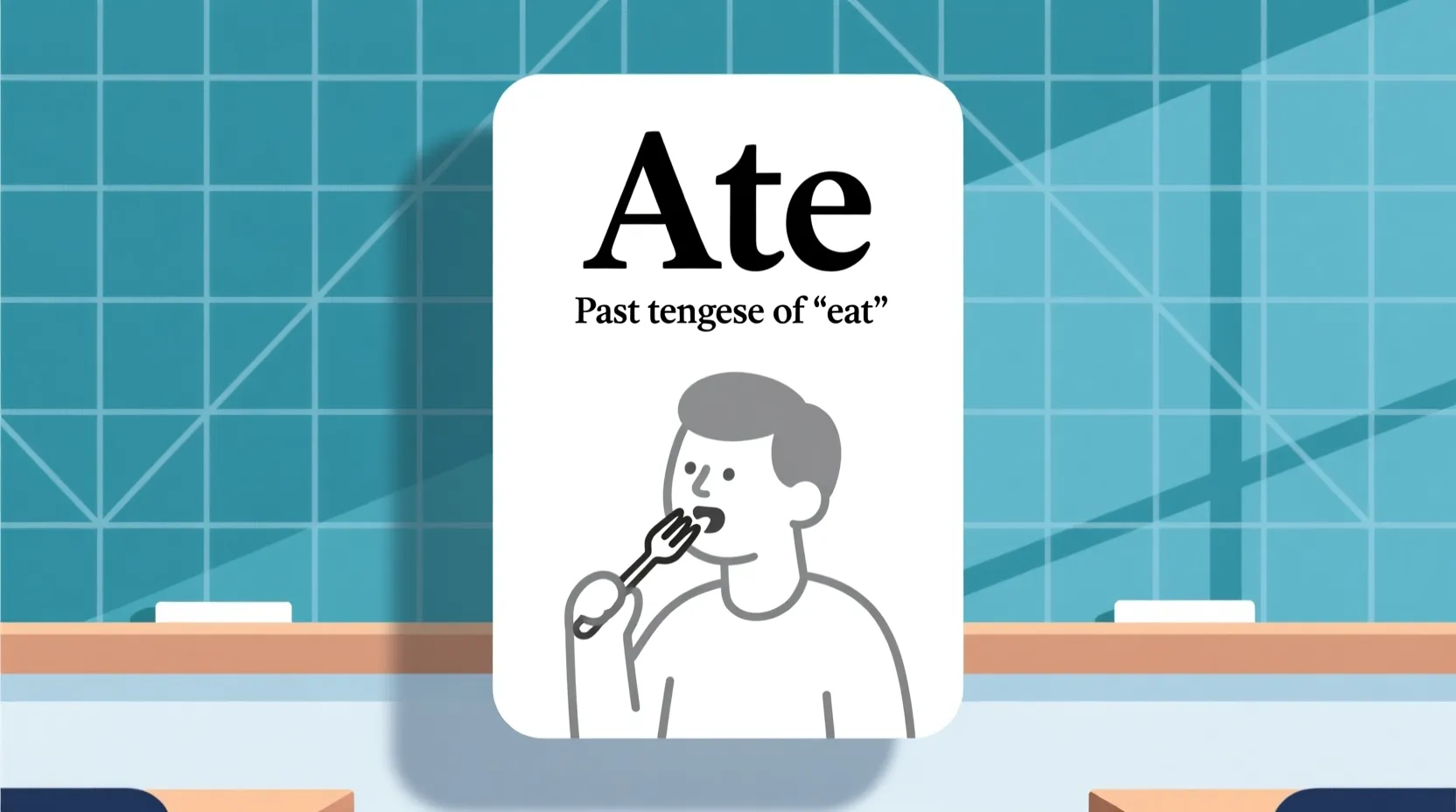
Quick Answer: “Ate” means “performed amazingly well” or “crushed it.” It’s a compliment used to hype someone up for doing something impressively, stylishly, or flawlessly.
What Does Ate Mean in Text?
In texting, social media, and pop culture, “ate” is slang for:
Doing something extremely well, slaying a look, or giving an outstanding performance.
It’s basically the internet’s way of saying someone absolutely killed it — in the best way possible.
Example sentence:
“That outfit? Yeah, she ate.”
In short: Ate = crushed it = did something perfectly or impressively.
Where Is Ate Commonly Used?
You’ll mostly see “ate” on platforms where people comment on style, talent, or performance. It’s a hype word that belongs in fun, casual digital spaces.
⭐ Popular places you’ll see it:
- TikTok videos and comments
- Instagram captions and reels
- Snapchat stories
- Twitter / X reactions
- Texting with friends
- Fashion, dance, and makeup content
- Gaming streams or reaction chats
Tone:
Very casual, hype-filled, expressive, and social-media–friendly.
Never used in formal conversations.
Examples of Ate in Conversation
Here are natural, real-life texting examples:
A: did you see her dance performance??
B: omg yes she ate 😭🔥
A: be honest… how does this outfit look?
B: girl you ate that up
A: i tried a new makeup look today
B: you ATE omg
A: bro did you hear his new track?
B: that man ATEEE
A: should i post this pic or nah
B: post it rn you ate
A: my presentation actually went well
B: ok workkk, you ate that
A: i’m nervous for the show tonight
B: don’t be, you’re gonna eat
When to Use and When Not to Use Ate
Here’s how to use this slang correctly.
✅ When to Use Ate
- Hyping up a friend
- Complimenting someone’s look or outfit
- Reacting to a performance
- Showing excitement or admiration
- Casual conversations
- Trendy or Gen Z–friendly comments
❌ When Not to Use Ate
- Work emails
- School or professional settings
- Serious or sensitive conversations
- Texting someone who may not understand slang
- Formal messaging or business communication
Context Comparison Table
| Context | Example Phrase | Why It Works |
|---|---|---|
| Friend Chat | “you ate with that fit 😄🔥” | fun, casual hype |
| Work Chat | “Great job on the presentation.” | professional and clear |
| “Please review the document when possible.” | formal and appropriate | |
| Social Media | “omg she ate this routine” | fits the platform’s tone |
Similar Slang Words or Alternatives
| Slang | Meaning | When to Use |
|---|---|---|
| Slay | Did something amazingly well | Fashion, confidence, hype moments |
| Ate and left no crumbs | Completely nailed it | Performances, dramatic emphasis |
| Fire / 🔥 | Looks great or impressive | Outfits, photos, music |
| W | A win, success | Gaming, reactions, achievements |
| Queen/King | Someone who excels | Empowering or praising someone |
| Valid | Something is good or acceptable | Casual approval |
FAQs About Ate
Is “ate” a compliment?
Yes, it’s a strong compliment meaning someone did great.
Is “ate” Gen Z slang?
Mostly yes. It became popular through TikTok, stan culture, and fashion communities.
Is “ate” the same as “slay”?
Pretty much. “Ate” is like the more intense or stylish version.
Can guys use the slang “ate”?
Absolutely. It’s gender-neutral.
What does “left no crumbs” mean?
It’s the dramatic extension of “ate,” meaning someone did flawlessly well.
Conclusion
The slang “ate” is one of the most upbeat, hyped, and expressive compliments you can use online today.
If t’s a makeup look, an outfit, a dance routine, or even a photo, saying someone “ate” shows they absolutely crushed it. It’s fun, casual, trendy, and perfect for boosting someone’s confidence.
Just remember it belongs in relaxed, social-media–style conversations, not formal ones.
Use it right, and you’ll sound perfectly in sync with today’s online culture.