
Have you ever been scrolling through a chat or social media post and stumbled upon the word commodity, thinking, “Wait what does that even mean here?” It can feel a bit confusing at first, especially if you’ve mostly heard it in school or the news about trading goods.
But don’t worry understanding it in everyday texting or online conversations is easier than you think!
Quick Answer: Commodity means “a basic good used in commerce that can be traded.” It’s a friendly, casual way of referring to something valuable or useful, especially in discussions about products, markets, or items people buy and sell.
What Does Commodity Mean in Text? 🧠
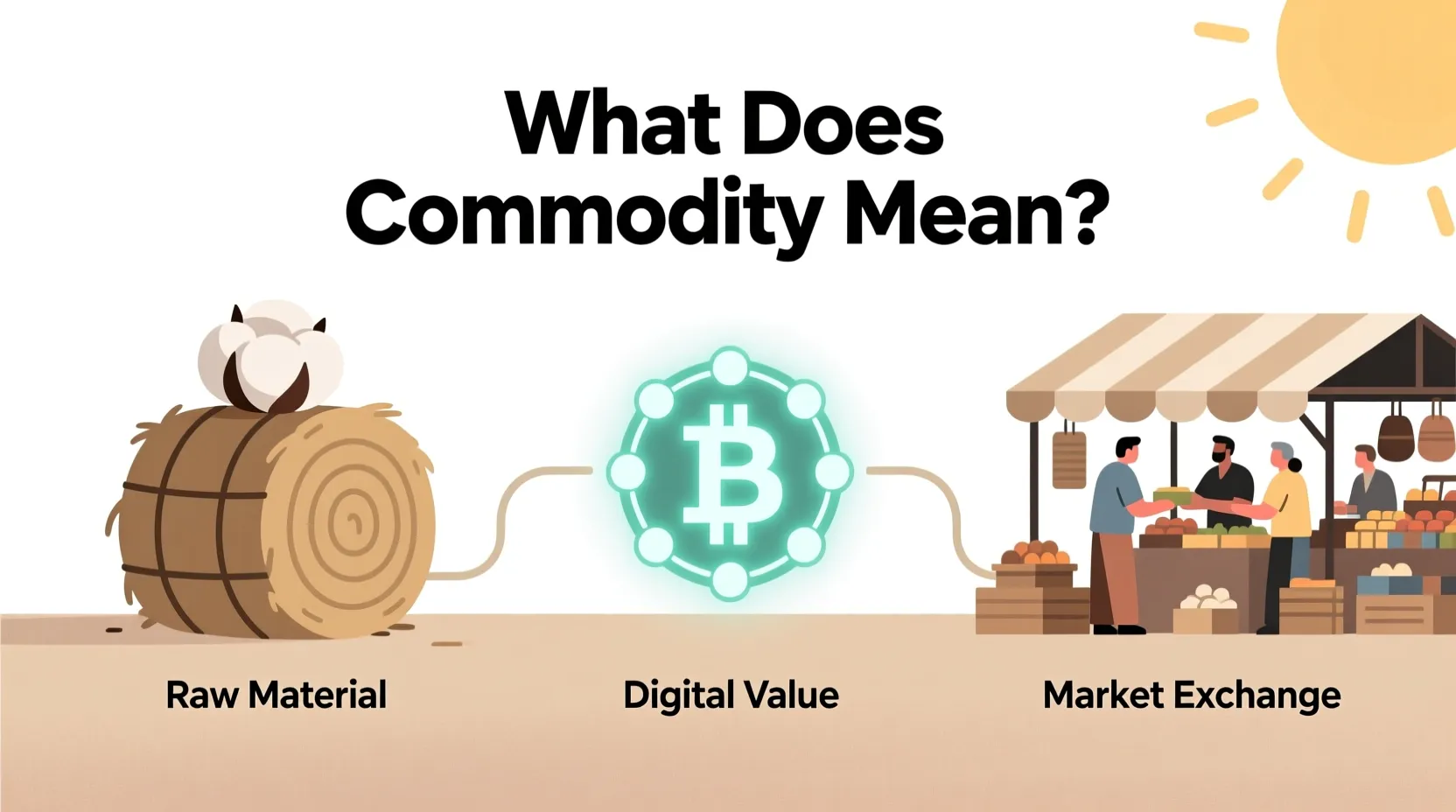
In simple terms, a commodity is anything that has value and can be traded or exchanged, like gold, wheat, oil, or even digital items in games. In casual conversation, people sometimes use it figuratively to refer to anything considered useful, common, or valuable.
Example:
“Did you grab some coffee beans? Those are my favorite commodity lately ☕”
In short: Commodity = basic tradeable item = something valuable or useful.
Where Is Commodity Commonly Used? 📱
Commodity isn’t exactly slang, but it appears in casual chats, social media posts, and discussions about business or daily essentials. Here’s where you might see it:
- 💬 Texting with friends – joking about items or things you consider “must-haves”
- 📱 TikTok & Instagram captions – referring to popular or valuable products
- 🎮 Gaming chats – talking about rare items or resources
- 📰 Casual online discussions – trending goods, collectibles, or necessities
Tone: Casual, social-media–friendly, sometimes informative
Examples of Commodity in Conversation 💬
Here are some realistic ways people use commodity in chats:
A: “Hey, did you get the new PS5?”
B: “Yeah! That thing’s a hot commodity 😎”
A: “Need more coffee for the week?”
B: “Absolutely, can’t live without this commodity ☕”
A: “Did you see the limited sneakers drop?”
B: “Yup, those are serious commodities rn 👟”
A: “I hear wheat prices are rising.”
B: “Yeah, it’s a basic commodity that affects everything 🥖”
A: “Selling my old textbooks if anyone wants them.”
B: “Textbooks are a valuable commodity for sure! 📚”
When to Use and When Not to Use Commodity 🕓
✅ When to Use:
- Talking casually about popular items or essentials
- Joking with friends about things everyone wants
- Discussing trading, markets, or valuable goods
❌ When Not to Use:
- Formal emails or business proposals without context
- Serious legal or contractual documents
- Situations where slang could be misunderstood
| Context | Example Phrase | Why It Works |
|---|---|---|
| Friend Chat | “That PS5 is a hot commodity 😎” | Casual & fun |
| Work Chat | “Our new product is a valuable commodity” | Friendly but professional |
| “Gold remains a key commodity in global markets” | Formal & clear |
Similar Slang Words or Alternatives 🔄
| Slang | Meaning | When to Use |
|---|---|---|
| Hot item | Something in high demand | Casual chats, social media |
| Must-have | Essential or highly desired item | Shopping, friendly talks |
| Trendy | Popular or fashionable | Social media, Instagram captions |
| Valuable | Something worth having | Friendly or semi-formal contexts |
| Rare find | Uncommon or highly sought-after item | Casual or online marketplace |
FAQs About Commodity ❓
Q: Is commodity slang?
A: Not exactly. It’s a standard word often used in casual conversation to describe something valuable or tradeable.
Q: Can I use commodity in texts with friends?
A: Definitely! Especially when joking about something everyone wants or something rare.
Q: Is commodity formal or casual?
A: It’s flexible. It can be casual in social chats or formal when discussing business or economics.
Q: Can commodity refer to non-physical items?
A: Yes, digital items, services, or even abstract things can be called commodities figuratively.
Conclusion
Understanding commodity in everyday texting or social media is simpler than it looks.
You’re talking about coffee, collectibles, or trending products, it’s a versatile word to describe something valuable or in-demand.
Use it casually with friends, in online discussions, or even semi-professionally when referring to essential goods and you’ll sound informed and natural!