
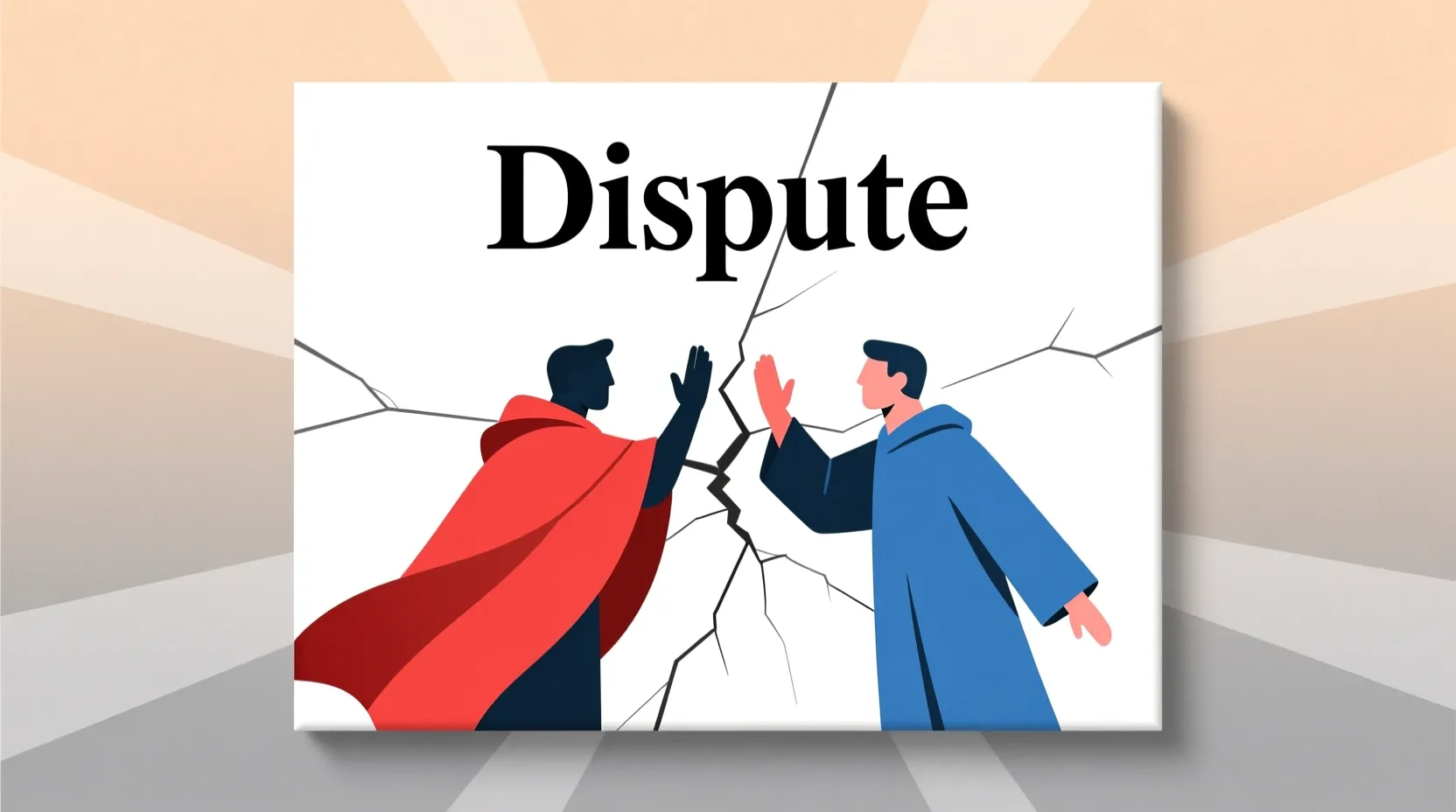
Ever been scrolling through messages or comments and suddenly someone says they want to “dispute” something and you pause, wondering if it’s a fight, an argument, or something official?
I remember the first time I saw it in a group chat and thought someone was about to start drama… but it turned out they were just talking about a wrong payment on their bank app.
😅
That’s when I realized “dispute” isn’t slang it’s a real English word people often use in texting, social media, and customer-service chats.
Quick Answer: Dispute means to disagree with something or claim it’s incorrect.
It’s a polite and formal way of saying you don’t accept or approve something.
What Does Dispute Mean in Text?
In texting, dispute means to challenge, question, or disagree with something, usually because you think it’s wrong, unfair, or inaccurate. It’s commonly used when talking about payments, charges, decisions, or information that you don’t agree with.
Example sentence:
I’m going to dispute that bill because they charged me twice.
In short: dispute = challenge/disagree = say something is wrong.
Where Is Dispute Commonly Used?
You’ll see dispute in places where people talk about problems, disagreements, or incorrect information:
- 💬 Text messages
- 📱 Customer service chats
- 💳 Bank apps and payment platforms
- 📩 Emails
- 🏷️ Social media comments
- 📝 Online forms or complaint messages
Tone:
- Formal
- Neutral
- Polite
- Not flirty or casual
It’s NOT slang — it’s a standard English word used in both casual and professional settings.
Examples of Dispute in Conversation
A: why’s my card showing extra charges?
B: idk, you should dispute it with the bank
A: they gave me a wrong grade 😒
B: you can dispute it with your teacher
A: this app charged me twice
B: dispute the payment, they’ll reverse it
A: the info is wrong
B: yeah you can dispute that report
A: i didn’t say that 😤
B: then dispute it and clear things up
A: that’s not fair
B: you can dispute their decision if you want
When to Use and When Not to Use Dispute
When to Use
- When something is incorrect or unfair
- When you want a review or correction
- When talking to customer service
- When referring to bills, payments, or reports
- When you need a polite, neutral tone
When Not to Use
- In flirty or friendly chats
- When joking around
- When the situation is casual
- When talking about emotions (it sounds too formal)
- When something isn’t serious enough to challenge
Context Comparison Table
| Context | Example Phrase | Why It Works |
|---|---|---|
| Friend Chat | “i’m gonna dispute that charge 😅” | Casual but still makes sense |
| Work Chat | “i’d like to dispute this report” | Professional and neutral |
| “I would like to dispute the incorrect billing amount.” | Clear, formal, appropriate |
Similar Slang Words or Alternatives
| Word / Phrase | Meaning | When to Use |
|---|---|---|
| Challenge | Question something | When you want a stronger tone |
| Reject | Not accept something | When denying a claim or request |
| Question | Doubt something | When you want a soft, polite tone |
| Complain | Express dissatisfaction | When something is unfair or annoying |
| Appeal | Ask for a review | When dealing with rules or decisions |
| Disagree | Have a different opinion | When it’s not about money or official issues |
FAQs About Dispute
Is dispute a slang word?
No, it’s a formal English word commonly used in both texting and professional communication.
Does dispute mean argue?
Not exactly. It means to challenge something’s correctness, not necessarily to fight.
Can I use dispute in casual texts?
Yes, but it still sounds formal.
Is dispute used for payments?
Yes. It’s widely used to challenge incorrect bank transactions.
Is dispute rude?
Not at all. It’s polite and neutral.
Conclusion
Dispute is a useful word that helps you clearly express disagreement, especially when something is wrong, unfair, or needs correction.
Whether you’re dealing with payments, reports, decisions, or misinformation, dispute gives you a polite and effective way to challenge it.
It’s not slang, but because it’s short, simple, and precise, people use it often in texting, chat support, and social media.
Understanding how to use it helps you communicate more clearly and assertively whenever things don’t seem right.