Ever scrolled through a menu, saw the term halal food, and paused for a second wondering what it really means? You’re not alone.
The first time I saw “halal” written next to a dish, I assumed it was just a style of cooking until I realized there’s a much deeper meaning behind it. Many people see the word online, in food reviews, restaurant signs, or TikTok recipes and feel a little confused at first.
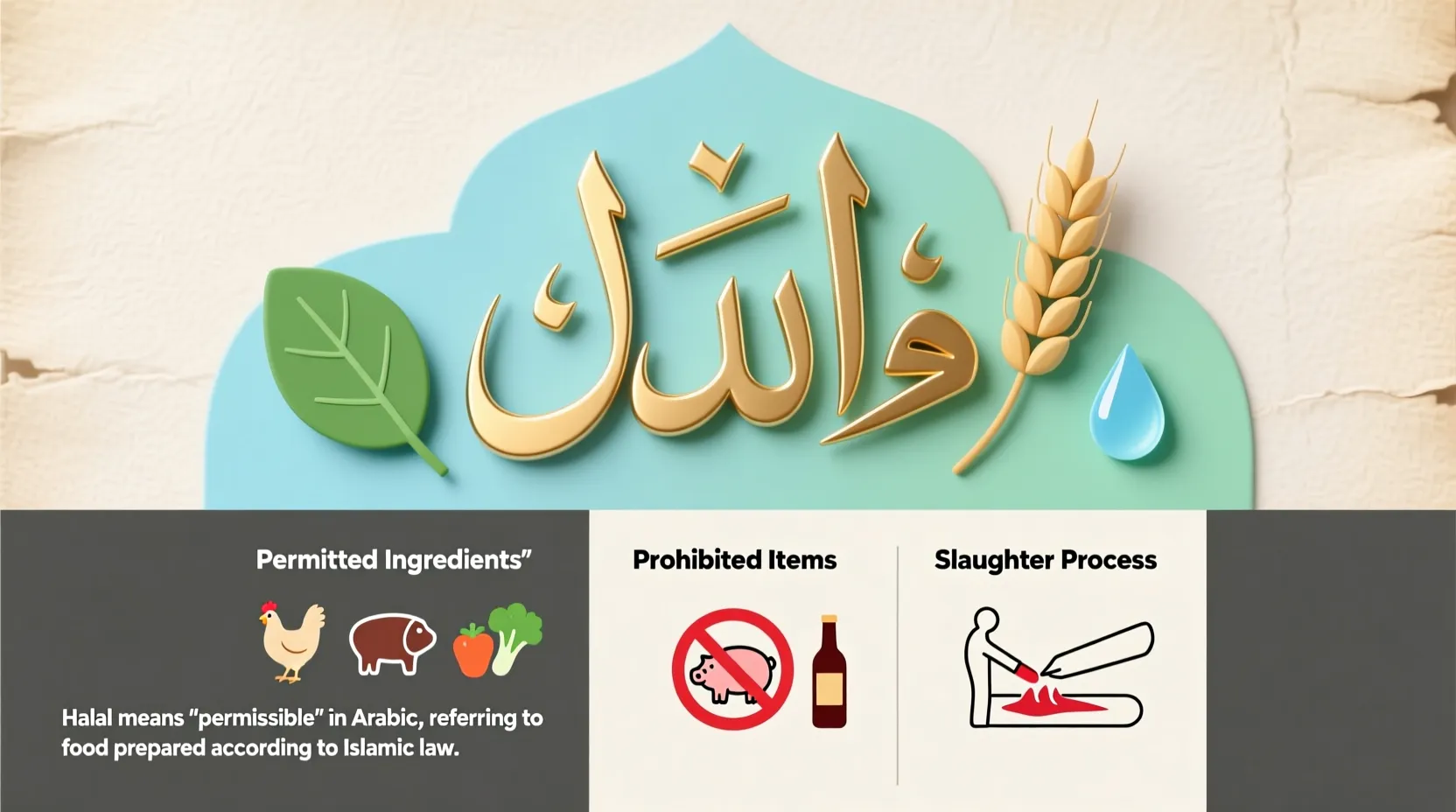
Quick Answer: Halal food means “permissible food according to Islamic law.” It refers to food that is prepared, sourced, and handled in a way that follows Islamic dietary guidelines. It’s a respectful, cultural, and religious term — not slang.
What Does Halal Food Mean in Text?
When someone says halal food, they simply mean food that Muslims are allowed to eat according to Islamic teachings.
This includes what type of meat is allowed, how it’s slaughtered, and making sure the food is clean and free from prohibited (haram) ingredients like pork or alcohol.
Example:
“Is this restaurant halal? I want to make sure the food meets the dietary rules.”
In short: Halal food = Permissible food = Food allowed in Islam.
Where Is Halal Food Commonly Used?
You’ll often see the term “halal food” used in:
- 🍔 Restaurant menus
- 📍 Food delivery apps (Uber Eats, Foodpanda, DoorDash)
- 🌍 International food guides
- 🕌 Muslim community discussions
- 🛒 Grocery stores (halal-certified labels)
- 📱 TikTok food content and recipe videos
It’s used in formal and casual contexts — both online and offline.
While it’s not slang, it appears frequently in social media captions, reviews, vlogs, and food recommendations.
Examples of “Halal Food” in Conversation
A: is that place halal?
B: yeah, everything on their menu is halal certified 👍
A: i wanna try halal street food today 😋
B: there’s a new spot that just opened!
A: does this have any non-halal ingredients?
B: nope, it’s fully halal
A: u know any halal burger places nearby?
B: yup, sending u the link
A: wait is this dessert halal?
B: yep, no alcohol or gelatin
A: bro i need halal shawarma asap 😂
B: say less, i know the best place
The When to Use and When Not to Use “Halal Food”
When to Use
- ✅ When asking if a restaurant follows Islamic dietary rules
- ✅ When checking ingredient lists
- ✅ When sharing recommendations with Muslim friends
- ✅ When discussing cultural, religious, or food preferences
When Not to Use
- ❌ As slang — it isn’t one
- ❌ In jokes about religious dietary practices
- ❌ When generalizing or making assumptions about someone’s preferences
- ❌ In professional contexts unrelated to food or dietary requirements
Comparison Table
| Context | Example Phrase | Why It Works |
|---|---|---|
| Friend Chat | “let’s find a halal spot for dinner 😊” | Friendly & clear |
| Work Chat | “Does the menu include halal options?” | Professional & respectful |
| “Please confirm if halal meals are available.” | Formal and appropriate |
Similar Words or Alternatives
| Term | Meaning | When to Use |
|---|---|---|
| Haram | Not allowed in Islam | To clarify what food is prohibited |
| Zabiha | Meat slaughtered according to Islamic rules | When talking specifically about meat |
| Kosher | Jewish dietary-law food | When comparing religious dietary practices |
| Vegan | No animal products | When discussing plant-based alternatives |
| Vegetarian | No meat but may include dairy/eggs | When discussing lighter or non-meat options |
| Ethical/Organic | Natural and responsibly sourced food | When focusing on health and sustainability |
FAQs About Halal Food
Is halal food only for Muslims?
No. Anyone can eat halal food — it’s simply a method of preparation.
Is halal the same as healthy?
Not necessarily. Halal refers to permissibility, not nutrition.
Is halal meat different from regular meat?
Yes. It must be slaughtered in a specific way and handled cleanly.
Does halal mean no pork?
Yes. Pork and alcohol are forbidden (haram) in Islam.
Do restaurants need certification?
Many do, especially if they market themselves as halal, but it varies by country.