
Have you ever looked at your blood test results and noticed something like “low alkaline phosphatase” and thought, “Wait… what does that even mean?”
It can feel confusing and even a little alarming at first.
You’re not alone many people see this term on lab reports and wonder about its significance.
Quick Answer: Low alkaline phosphatase means your blood levels of the enzyme alkaline phosphatase are below the normal range.
It’s a medical term used to indicate potential issues with bones, liver, or nutrition, depending on context.
What Does Low Alkaline Phosphatase Mean in Simple Terms?
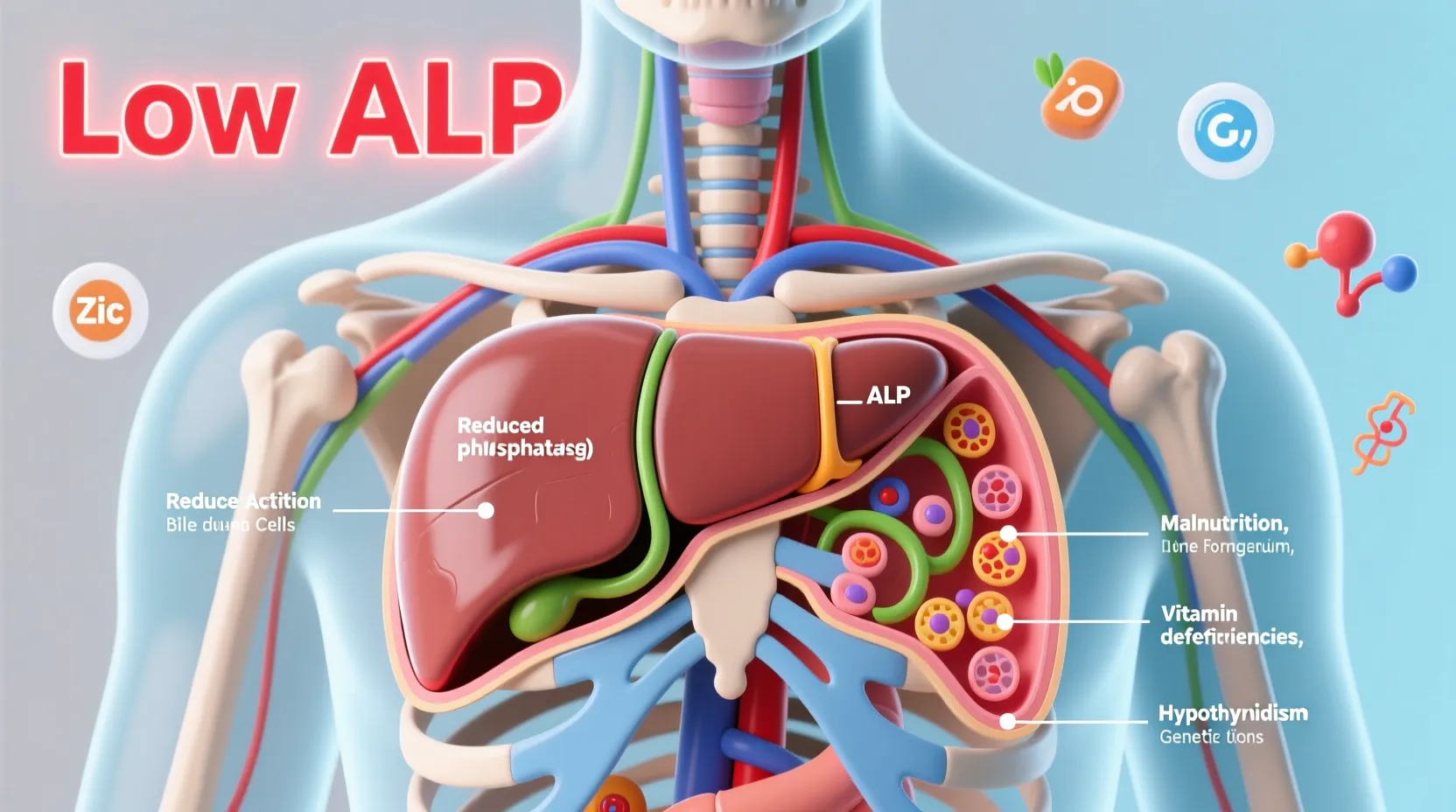
Alkaline phosphatase (ALP) is an enzyme found in your liver, bones, and other tissues. It helps your body break down proteins and is important for healthy bones and liver function. When your ALP levels are lower than normal, it can indicate conditions such as malnutrition, vitamin deficiencies, or rare genetic disorders.
Example:
“My doctor said my ALP is low, so I need to check my vitamin levels.”
In short: Low Alkaline Phosphatase = Low ALP = Possible nutrient or bone/liver issue
Where Is “Low Alkaline Phosphatase” Commonly Discussed?
While it’s not slang, people often search for this term in casual online conversations or health communities. Here’s where it appears:
- 🩺 Medical forums like HealthBoards or MedHelp
- 💬 Online support groups for nutrition or liver health
- 📱 Facebook health communities and Reddit threads
- 🖥️ Medical articles and educational websites
It’s formal and health-focused, so it’s not casual or social-media slang.
Examples of “Low Alkaline Phosphatase” in Conversation
Here are realistic ways people might talk about it:
A: “My blood test came back weird”
B: “What’s off?”
A: “Low alkaline phosphatase 😟”
A: “I think my vitamin D is low”
B: “Could be related to your ALP”
A: “Doctor said my ALP is low”
B: “Any idea why?”
A: “I need to eat more protein”
B: “Yeah, low ALP can happen with low nutrition”
A: “Feeling tired all the time”
B: “Maybe check your alkaline phosphatase levels”
When to Use and When Not to Use “Low Alkaline Phosphatase”
✅ When to Use
- Talking with a doctor
- Discussing lab results with friends or family
- Sharing info in health forums
❌ When Not to Use
- Casual texting with friends who aren’t medically aware
- Urgent or emergency situations without proper context
- Social media posts without explanation
Comparison Table:
| Context | Example Phrase | Why It Works |
|---|---|---|
| Friend Chat | “My ALP is low, doc says 😟” | Casual & informative |
| Work Chat | “Lab shows low ALP, need follow-up” | Professional & clear |
| Health Forum | “Anyone else with low alkaline phosphatase?” | Supportive & informative |
Similar Terms or Related Health Words
| Term | Meaning | When to Use |
|---|---|---|
| ALP | Alkaline phosphatase | Medical tests & lab reports |
| Vitamin D Deficiency | Low vitamin D affecting ALP | Health discussions |
| Hypophosphatasia | Rare genetic disorder affecting ALP | Specialist forums |
| Liver Enzyme Test | Checks liver function | Lab results review |
FAQs About Low Alkaline Phosphatase
Q: Is low ALP dangerous?
A: Not always. Mild low levels may be harmless, but persistent low ALP should be checked by a doctor.
Q: Can diet affect ALP?
A: Yes, poor nutrition or vitamin deficiencies can lower ALP levels.
Q: How is low ALP treated?
A: Treatment depends on the cause—vitamin supplementation, diet changes, or managing underlying conditions.
Q: Can children have low ALP?
A: Yes, sometimes due to growth, diet, or rare genetic conditions.
Q: Should I worry if my ALP is slightly low?
A: Slight variations are common. Discuss results with your healthcare provider for context.
Conclusion
Low alkaline phosphatase is a lab finding that tells you about potential issues with your bones, liver, or nutrition. It’s not slang but a serious health term.
Understanding it helps you make informed decisions, ask the right questions, and take proactive steps toward wellness.
Always consult a doctor for proper evaluation and guidance.