Have you ever been grocery shopping or scrolling food blogs and stumbled upon the term “uncured bacon” and thought, “Wait isn’t all bacon cured?” You’re not alone!
The name can be super confusing at first, especially since bacon is usually associated with curing and smoking.
But once you understand what uncured bacon actually is, it’s pretty simple and it can even help you make healthier or more natural choices in the kitchen.
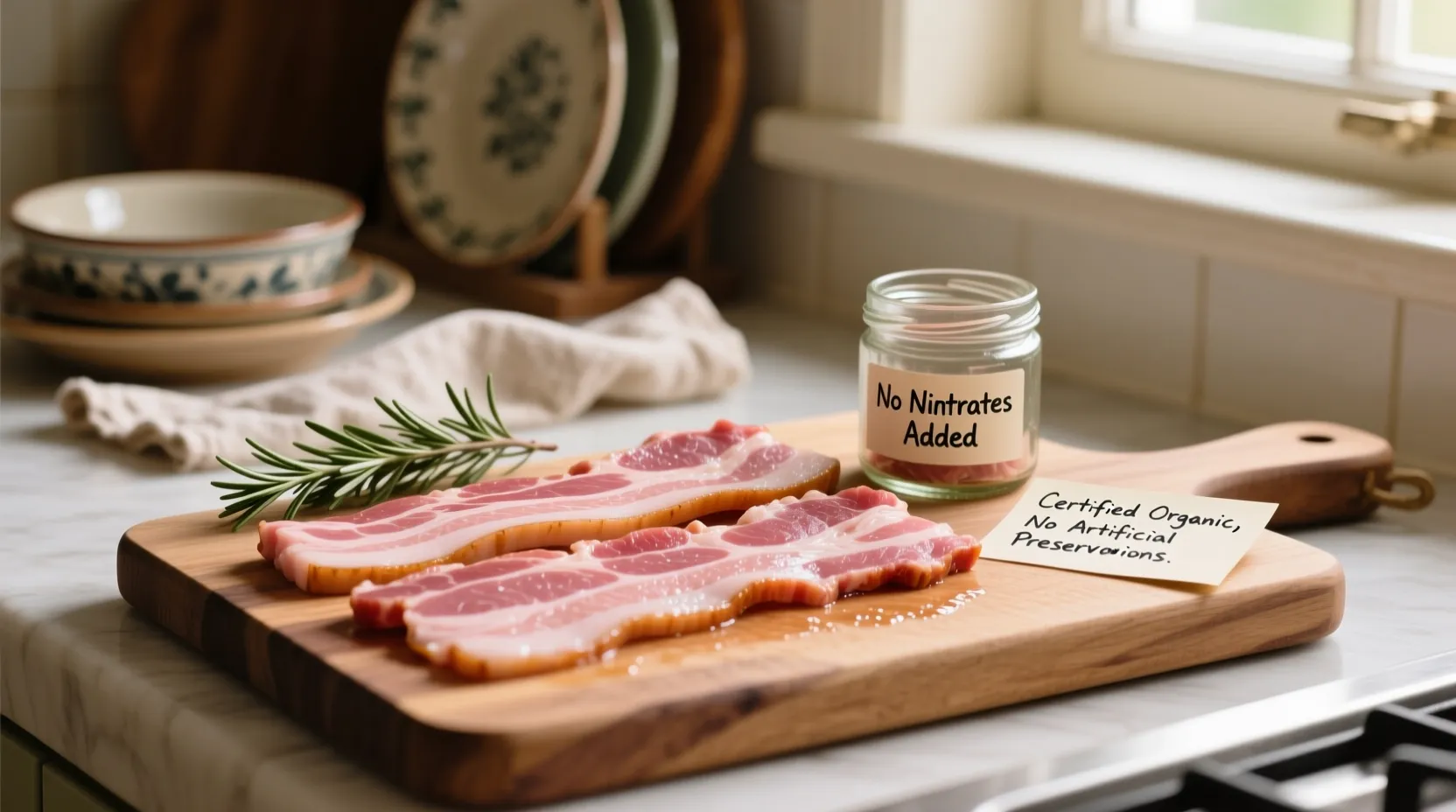
Quick Answer: Uncured bacon means bacon that is not preserved with traditional chemical nitrates or nitrites. It’s a natural, slightly healthier option, but still delicious and perfect for everyday cooking.
What Does Uncured Bacon Mean in Text?
While “uncured bacon” isn’t exactly a texting slang, it often pops up in foodie chats, grocery conversations, and recipe discussions online. In simple terms: uncured bacon = bacon made without added synthetic preservatives. Instead, it’s usually cured with natural ingredients like celery powder, sea salt, or sugar.
Example sentence:
“I bought uncured bacon for breakfast this morning—it tastes amazing without all the extra chemicals!”
In short: Uncured Bacon = No chemical nitrates = Naturally preserved bacon.
Where Is Uncured Bacon Commonly Used?
Uncured bacon is mostly discussed in food-focused contexts rather than casual slang texting, but it shows up in:
- 🛒 Grocery store labels and online shopping lists
- 🍳 Cooking and recipe blogs or TikTok food videos
- 🥓 Health-conscious and natural food discussions
- 📱 Messaging between friends who cook or eat out
It’s considered casual and friendly, often part of foodie conversations. It’s not formal but works great for social media, texting, and casual chat groups.
Examples of Uncured Bacon in Conversation
Here are some realistic chat examples showing how people might mention uncured bacon:
A: “hey, what bacon do you want for breakfast?”
B: “let’s go with uncured bacon 🥓”
A: “i can’t find your usual bacon at the store”
B: “grab the uncured one, it’s just as good!”
A: “is this bacon healthy?”
B: “yeah, it’s uncured so less chemicals 😄”
A: “making BLTs for lunch”
B: “don’t forget the uncured bacon 😉”
A: “ugh, my stomach hurts”
B: “try uncured bacon next time, it’s easier to digest”
When to Use and When Not to Use Uncured Bacon
✅ When to Use
- Casual foodie chats
- Texting about grocery shopping
- Recipe discussions online
- Social media posts about healthy food
❌ When Not to Use
- Professional emails
- Formal cooking classes (unless discussing ingredients technically)
- Serious nutrition or medical discussions without context
Comparison Table:
| Context | Example Phrase | Why It Works |
|---|---|---|
| Friend Chat | “No worries, grab uncured bacon 😋” | Casual & friendly |
| Work Chat | “We’ll need natural bacon for the event” | Polite & professional |
| “Please ensure we order uncured bacon for the catering” | Formal & clear |
Similar Slang Words or Alternatives
| Term | Meaning | When to Use |
|---|---|---|
| Natural Bacon | Bacon with no synthetic additives | Grocery chats, cooking blogs |
| Nitrite-Free Bacon | Bacon without chemical preservatives | Health-conscious discussions |
| Organic Bacon | Bacon from organic farms | Social media, foodie posts |
| Maple-Cured Bacon | Bacon cured with sugar and maple | Casual brunch chats, recipes |
FAQs About Uncured Bacon
Is uncured bacon healthier than regular bacon?
Yes, because it avoids synthetic nitrates, but it’s still bacon and should be eaten in moderation.
Does uncured bacon taste different?
Slightly—uncured bacon often has a milder, less salty taste than conventional bacon.
Can I cook uncured bacon the same way?
Absolutely! Fry, bake, or grill it just like regular bacon.
Is uncured bacon really uncured?
Technically, it’s still cured naturally with celery powder or salt, but no synthetic chemicals are used.
Where can I buy uncured bacon?
Most supermarkets, organic stores, and online grocery retailers carry it, often labeled “uncured” or “naturally cured.”
Conclusion
Uncured bacon is a natural alternative to traditional bacon, making it a favorite for health-conscious foodies, casual cooks, and anyone who loves a cleaner, milder flavor.
If chatting about breakfast plans, sharing recipes, or shopping online, knowing the difference helps you make informed, delicious choices! 🥓